
Kinship Without a Limit
Big BrotherThis flow follows Pandora’s changing idea of what family can ask of a person, from a comforting childhood belief to an obligation she cannot calculate after Edison’s death.
increasing Bearing strength in each event
 decreasing
Bearing strength in each eventdecreasingThe Grandmother’s Definition
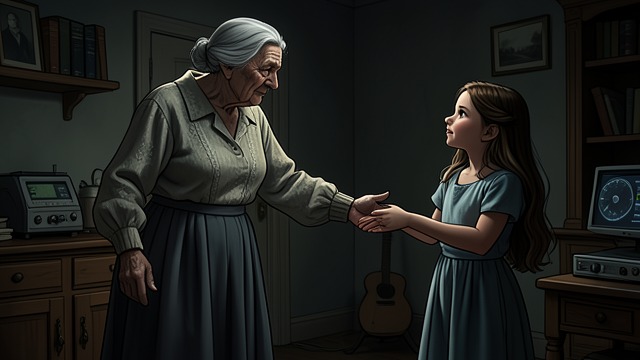
Family as Shelter
A promise of welcome
Pandora’s grandmother tells her that family means the people who will always take you in. The statement comforts Pandora when she is young and dependent on relatives for a place to live.
A definition gains weight
Years later, the same principle becomes a demand without a clear endpoint. What once sounded like dependable kindness begins to imply that a relative may reasonably ask for more than any person can plan to give.
The Initial Favor
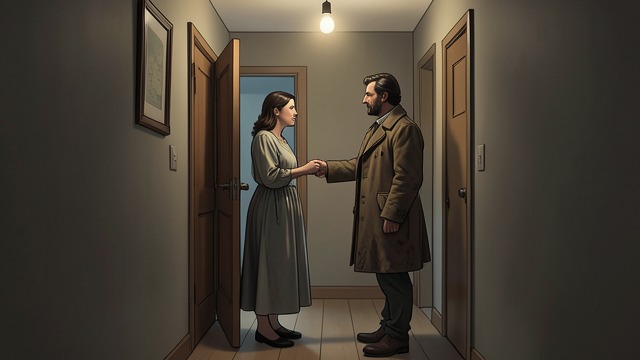
One Room Offered
Pandora says yes
When Slack reports that Edison has lost his housing, Pandora agrees to let him stay. Her decision follows an immediate sense that a brother in trouble cannot be refused, even though she knows Fletcher has not consented.
No clear duration
The initial favor has no precise end date, and the absence of a limit lets everyone interpret the stay differently. Pandora imagines a temporary accommodation; Edison’s need and family history may require much more.
A Visit Becomes a Burden

Responsibility Accumulates
Domestic costs mount
Edison’s presence strains the marriage, disrupts the household, and leads to damaged furniture and concealed problems. Pandora feels responsible for the effects on Fletcher and the children as well as for her brother’s vulnerability.
A limit is hard to name
She wants the visit to end but cannot accept the idea of sending Edison into homelessness. The family’s needs cannot be neatly divided into a finite share of care.
The Project Without an Endpoint
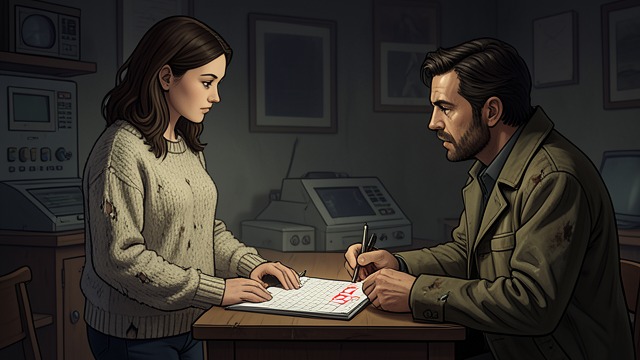
A Bigger Commitment
Pandora offers more
Pandora proposes a year or longer of shared living and financial support if Edison loses weight. The plan extends her responsibility beyond shelter to health, work, and daily supervision.
Love and fear combine
She acts partly from devotion and partly from fear that she will blame herself if Edison dies without her trying. Her generosity is inseparable from the wish to protect herself from future guilt.
The Debt That Remains
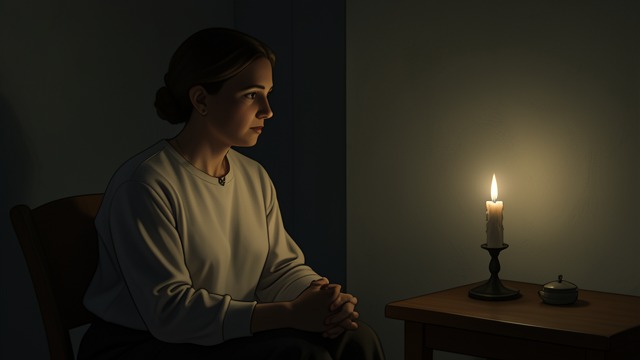
No Final Accounting
Limits cannot erase love
Pandora considers how a rescue might have damaged her marriage and whether Edison would have regained the weight anyway. She cannot know whether refusing the project was self-preservation, cowardice, or an impossible choice.
Responsibility survives calculation
She concludes that kinship cannot be managed like a measured donation without changing its meaning. Having avoided the cost of an intervention while Edison lived, she experiences the cost now as continuing grief and regret.
During Pandora’s early adulthood in Iowa
At the opening of the novel
Near the end of Edison’s two-month stay
On the night before Edison’s flight
In the closing reflection after Edison’s death
